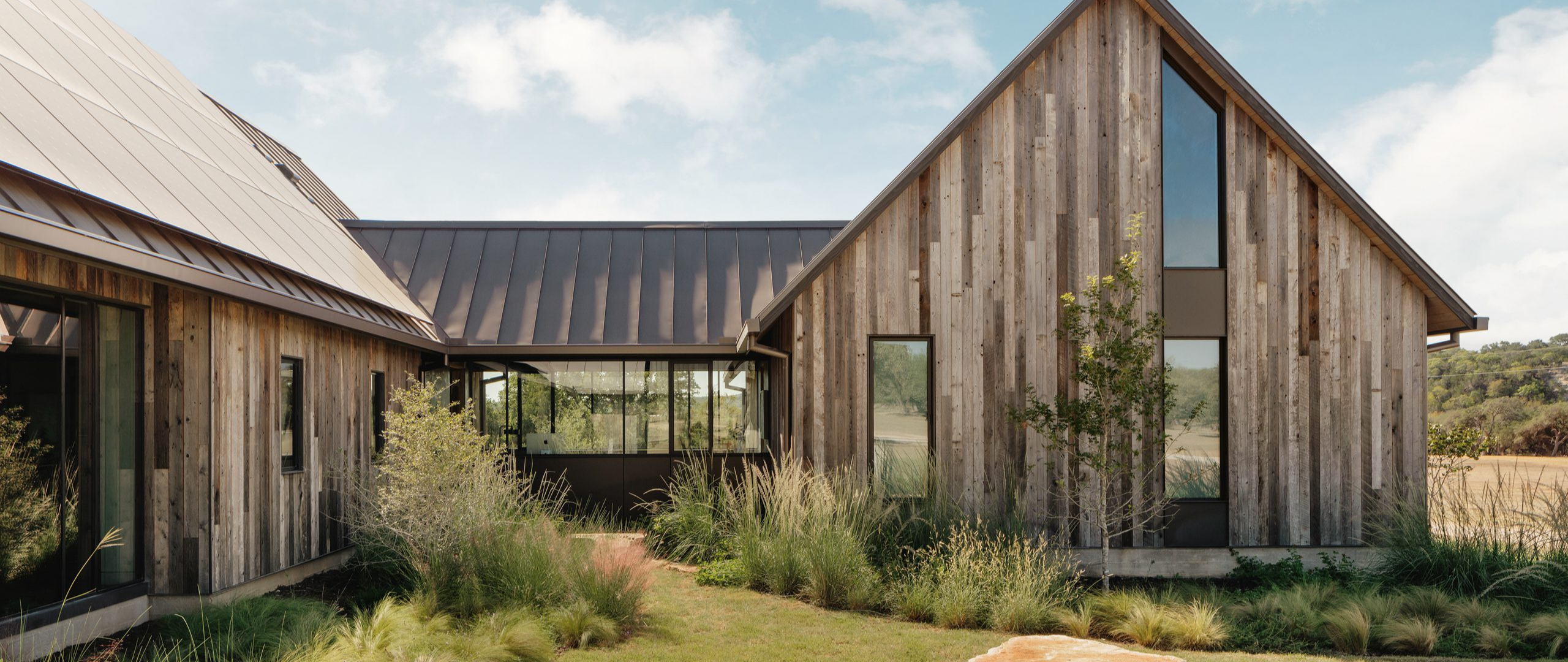
Vertical cladding is having a moment in modern architecture. Once primarily associated with barns and utility structures, vertical applications are now defining some of the most refined residential and commercial facades. Designers are embracing the clean lines and rhythm vertical boards create, using them to emphasize height, simplify complex forms, and bring a sense of calm structure to contemporary buildings.
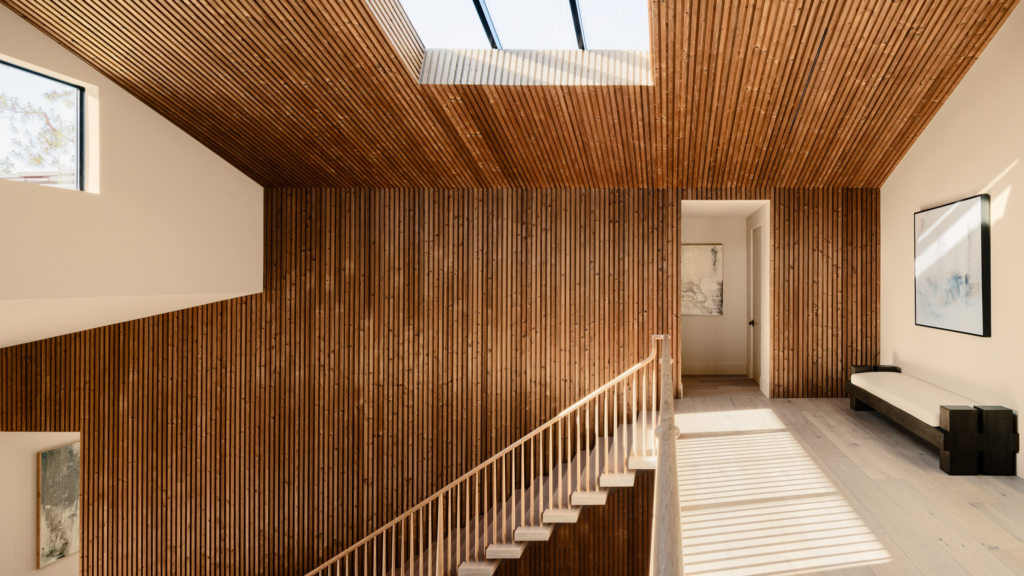
Vertical Siding in Practice
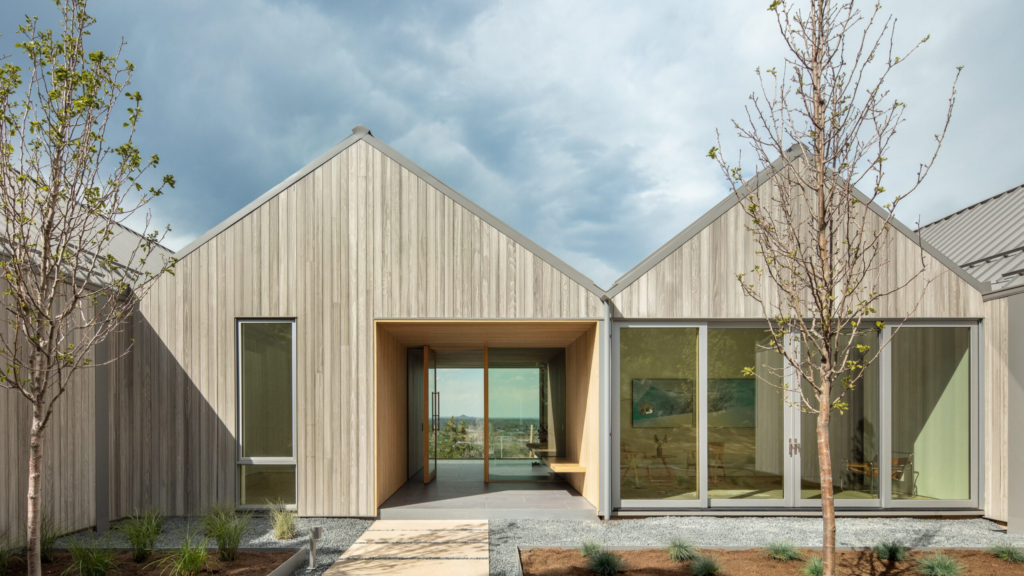
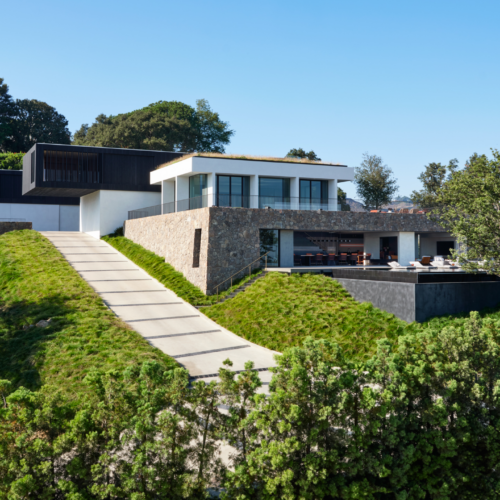
Vertical siding has the ability to shape both the exterior character of a home and the interior atmosphere within it. In Hidden Hills, California, Round Meadow by Steele Builders showcases the beauty and adaptability of wood across both exterior and interior applications. The project demonstrates how vertical siding can define architectural form while creating continuity between indoor and outdoor spaces.
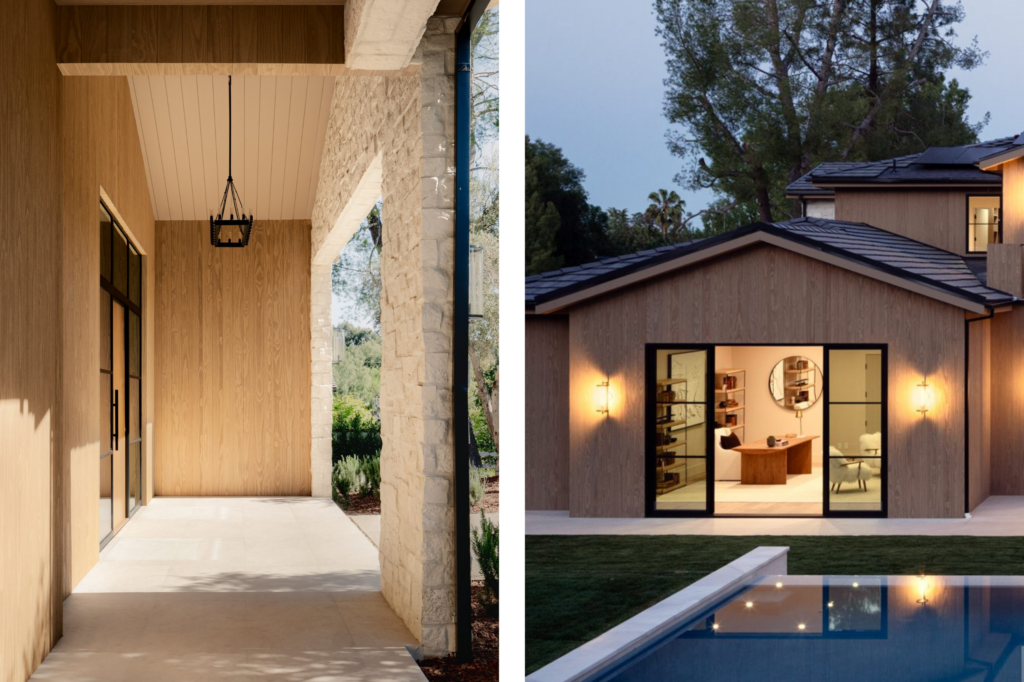
The facade is clad in Accoya Barnwood 2.0 in Light Ivory, where vertical siding establishes a refined, modern presence while delivering exceptional durability in an exterior environment.
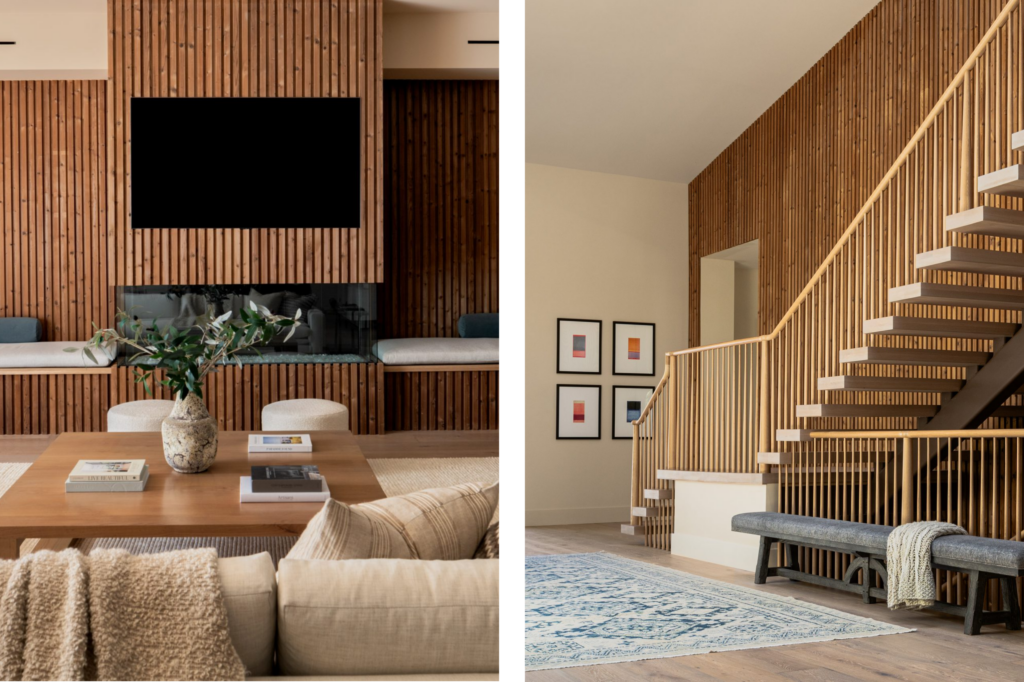
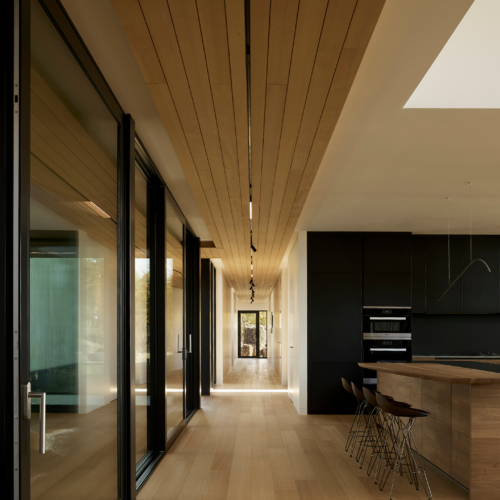
Inside, the design continues with vertical slatted Lunawood Duo cladding in the entry and living spaces. The linear rhythm introduces warmth and texture to the expansive interior, softening the scale of the rooms while maintaining the home’s architectural clarity.
Together, these applications demonstrate how vertical cladding can unify indoor and outdoor spaces, creating a continuous visual language that carries throughout the entire project.
Respect for Material and People
At Tenon Clearwood, one of the world’s most established suppliers of Radiata Pine, the scale of the operation was impressive, but what lingered most was the balance between experience and innovation. Skilled craftspeople worked alongside advanced technology, each supporting the other. The result was a process that respected the material while maximizing its potential.
Tenon also exemplified a long-term approach to responsibility. Energy use, waste reduction, and workplace safety were not treated as add-ons but as core values embedded in daily operations. It was a reminder that great products come from environments where people and resources are cared for equally.
Building Vertical Siding the Right Way
Proper installation is essential to ensure both the performance and longevity of vertical siding systems. While the visual effect is simple and refined, the structure behind vertical cladding requires careful planning to manage ventilation, moisture, and structural support.
Delta Millworks Technical Director, Barret Kruggel, walks through the key principles behind building a successful vertical assembly.
Watch the full video below for expert insights into building vertical siding systems that are both visually striking and built to last.
The Enduring Appeal of Vertical Lines
Vertical siding continues to evolve as architects and builders explore new ways to use wood across both exterior and interior spaces. With thoughtful design and proper installation techniques, vertical applications can deliver striking visual impact while supporting long-term building performance. Whether defining a modern facade or bringing warmth to interior environments, vertical cladding remains one of the most versatile tools in contemporary architecture.