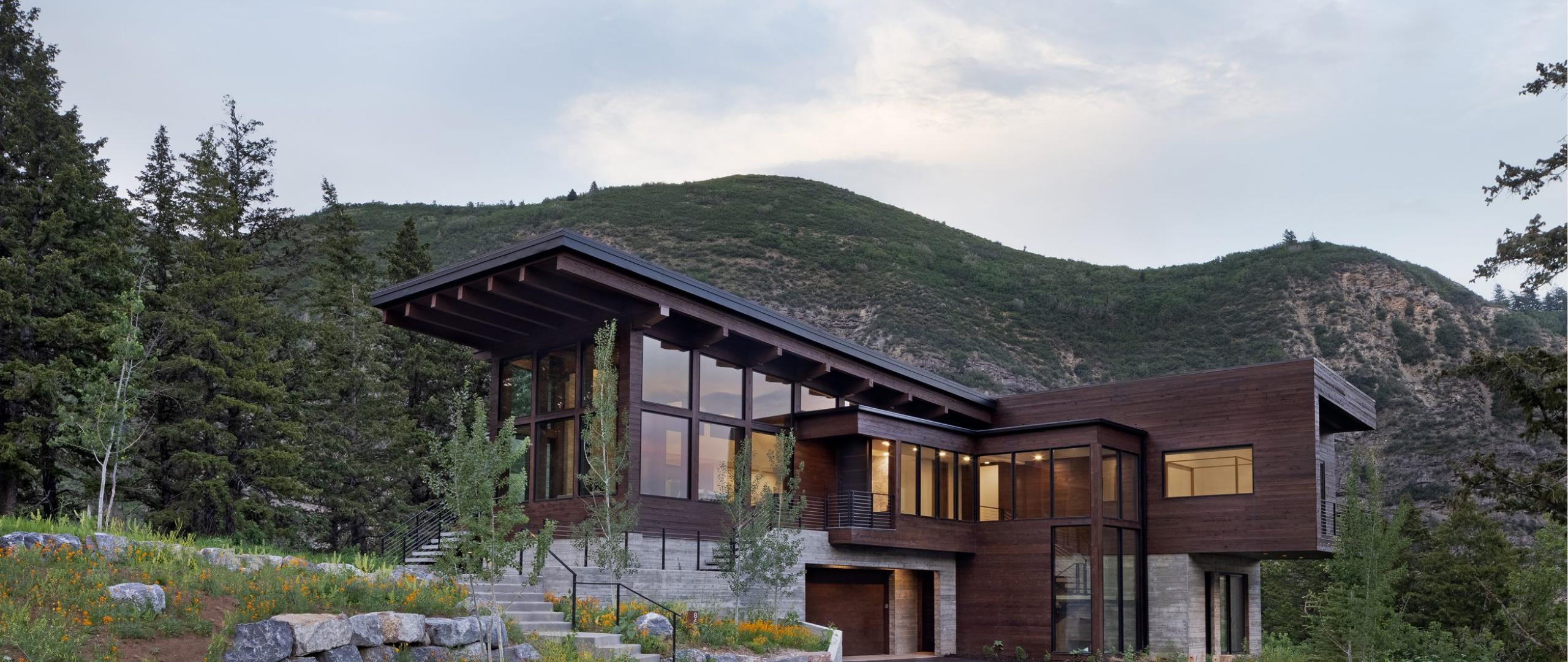
Some materials tell their story the day they’re installed. Reclaimed wood has been telling its story for decades, sometimes centuries, before it ever reaches a new project. Every board carries the marks of its previous life. Weather, use, craftsmanship, and time all leave behind details that simply can’t be manufactured. Those imperfections are exactly what make reclaimed wood unlike any other building material.
Delta Millworks was founded by Bob Davis in 1985, who was salvaging and repurposing old-growth longleaf pine for historical restoration projects, giving historic timber a new purpose while preserving the character that only time can create.
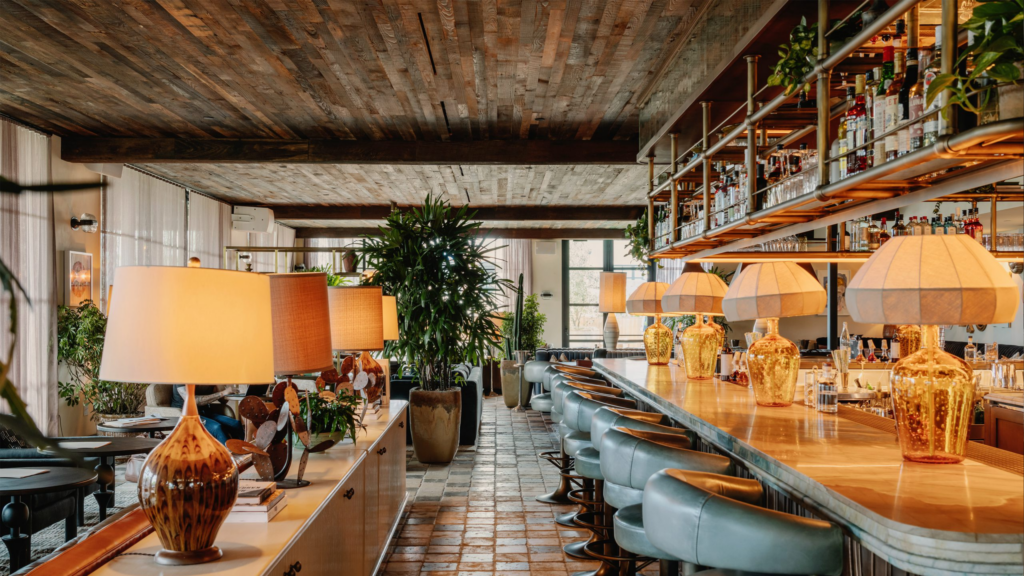
Material Shaped by Time
Time changes wood in ways that can’t be replicated.
Delta Millworks carefully sources quality reclaimed timber from historic structures across the United States. Every piece is thoughtfully processed through de-nailing, cleaning, sawing, and milling to preserve as much of its original character as possible while preparing it for modern applications.
Years of exposure leave behind a richness that newer lumber can’t imitate. Sun, rain, changing seasons, and decades of use create color variation, texture, and patina that develop naturally over generations. Every saw mark, knot, nail hole, and weathered surface becomes part of the material’s identity.
Rather than removing those details, they’re celebrated.
The Value of Old-Growth Timber
Most reclaimed wood comes from old-growth forests that stood throughout the 17th, 18th, and 19th centuries.
These trees grew slowly over hundreds of years, producing exceptionally dense, stable lumber with tight growth rings that are difficult, and often impossible, to find in modern harvested forests. As a result, reclaimed old-growth lumber offers performance characteristics that continue to make it valuable long after its original purpose.
Delta’s reclaimed barnwood material is recovered from barns, warehouses, factories, mills, and agricultural buildings constructed decades ago. These structures protected remarkable material that still has generations of life remaining. Today, architects and designers continue specifying reclaimed wood not only because of its appearance, but because of the quality of the material itself.
Character You Can’t Manufacture
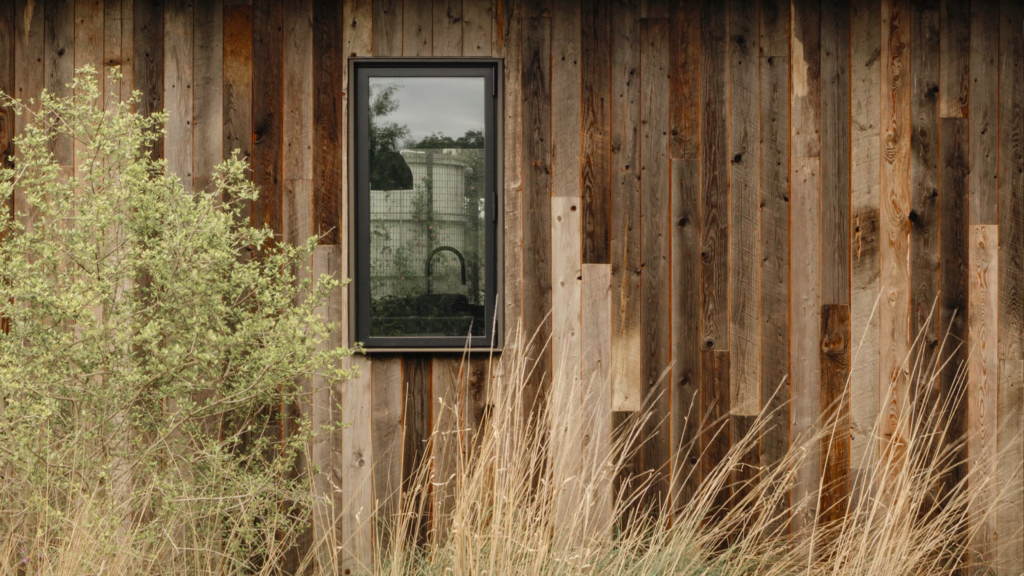
No two reclaimed boards are alike.
Surface wear, old fastener marks, circular saw textures, checking, and the subtle effects of decades of weather exposure create a depth that simply can’t be recreated in new lumber. These aren’t defects. They’re evidence of a previous life.
That authenticity gives reclaimed wood a sense of permanence. Whether used for siding, ceilings, walls, beams, or custom millwork, reclaimed wood brings warmth and texture that continues to evolve over time.
Explore Reclaimed Wood Projects
Building More Sustainably by Building Again
Reclaimed wood is also one of the most sustainable ways to build with natural materials.
Rather than harvesting new lumber, reclaimed wood extends the life of timber that already exists. Repurposing salvaged material helps reduce construction waste, diverts valuable lumber from landfills, and lessens demand on forest resources.
It’s an approach that respects both the history of the material and the future of the built environment.
At Delta Millworks, the Old Souls Reclaimed collection transforms historic timber into high-performance architectural products that preserve their original character while meeting the expectations of modern construction.
Featured Project: Tarry House
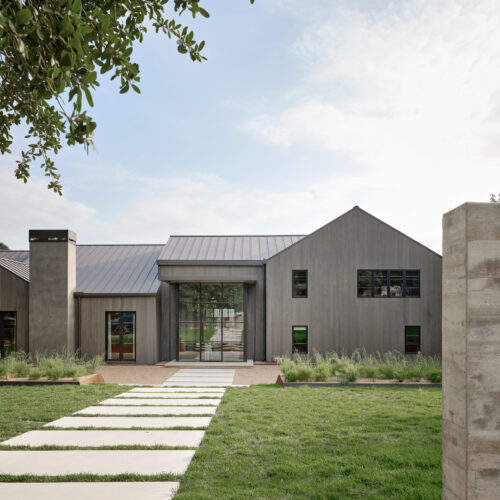
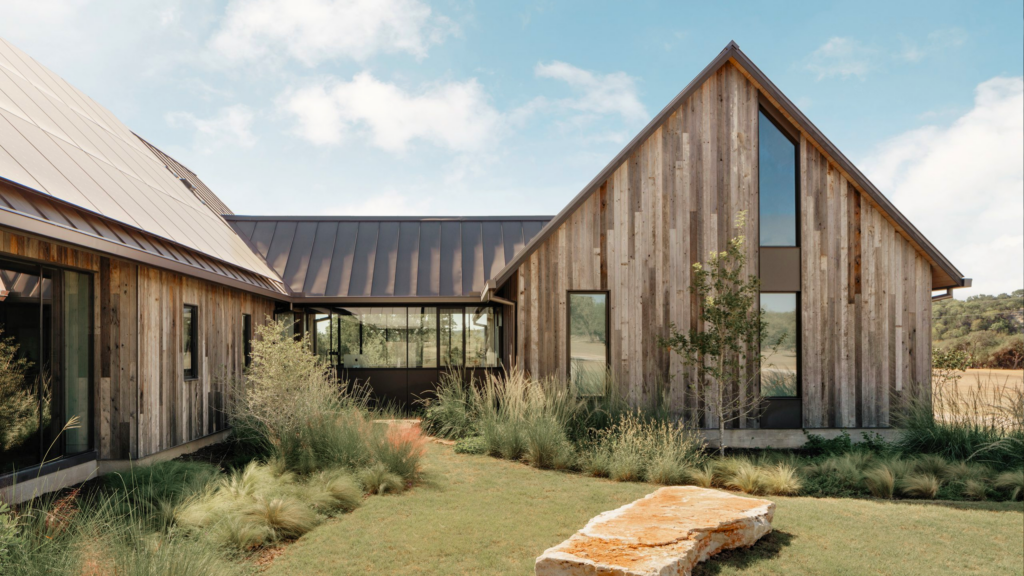
One project that showcases the power of reclaimed wood is Tarry House by Jobe Corral Architects.
Designed with a restrained approach to traditional architecture, the home relies on texture, craftsmanship, and natural materials rather than ornament. Reclaimed wood became central to that vision, adding warmth, depth, and authenticity throughout the home while strengthening its connection to the surrounding landscape.
In a walkthrough of the project, architect Camille Jobe shares how reclaimed wood helped shape the home’s atmosphere and why the material was essential to achieving the design intent.
Some materials are chosen because they’re new. Others are chosen because they already have a story worth continuing. Reclaimed wood offers both exceptional performance and a sense of history that simply cannot be replicated, making every project feel grounded from the very beginning.