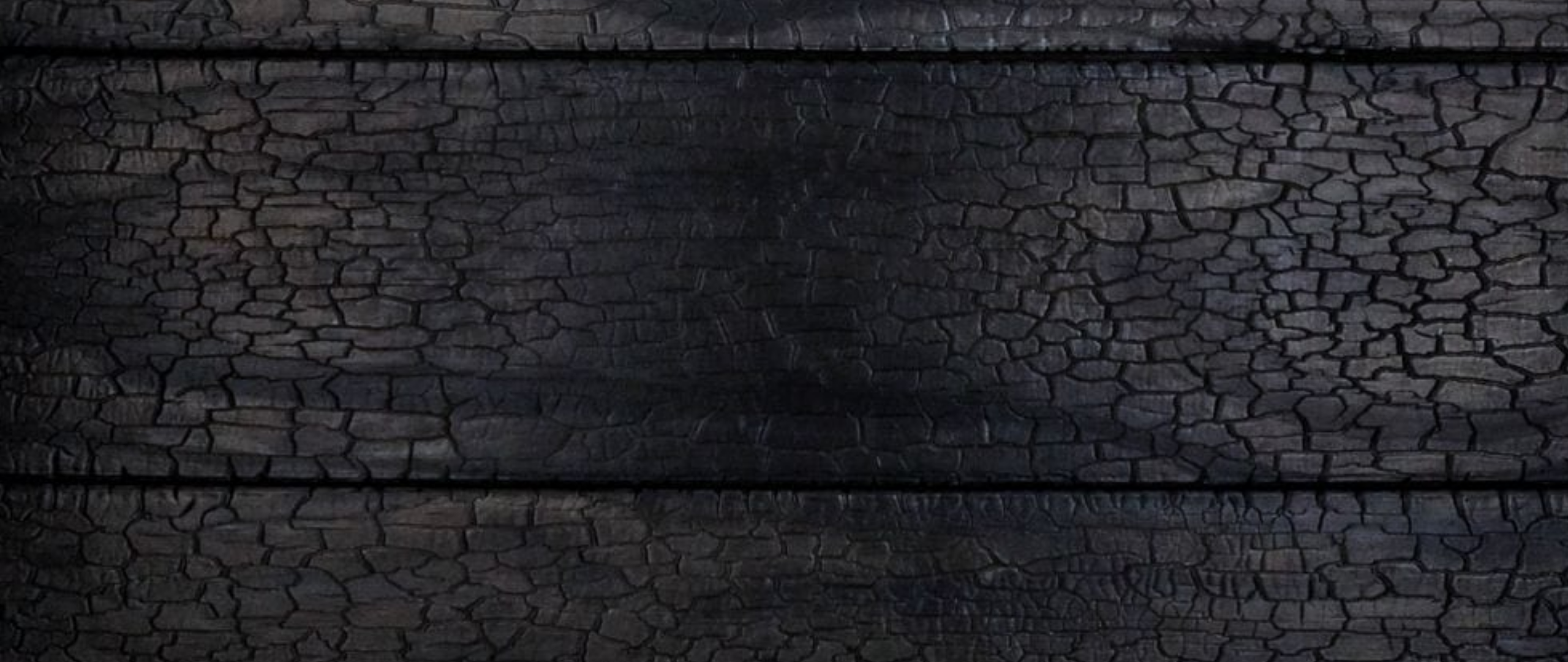
There is a reason charred wood continues to show up in some of today’s most striking architecture. Shou Sugi Ban has a history that stretches back centuries, but its appeal feels distinctly modern.
At Delta Millworks, our relationship with Shou Sugi Ban began in 2007. We were drawn to the technique for its unmistakable texture, the way charring reveals the grain, and the depth it gives to wood. We also saw an opportunity to take a traditional preservation method and develop it for the demands of contemporary architecture.
Today, our Shou Sugi Ban finishes range from heavily textured surfaces to more refined charred profiles, giving architects and designers a broad spectrum of ways to use the material.
A Modern Take on Shou Sugi Ban
Traditional Shou Sugi Ban, also known as Yakisugi, originated in Japan as a method of preserving wood by charring its surface. The process creates a layer of carbonized wood that helps protect the material while giving it its distinctive dark appearance and texture.
Delta adopted the technique in 2007 and began developing our own approach to the material. By refining the charring process and pairing it with carefully selected wood species and profiles, we created a collection of finishes suited to contemporary exterior and interior applications.
The process is still rooted in fire and wood. The difference is in how we control the finish.
Heaven on Earth: Wahi Lani
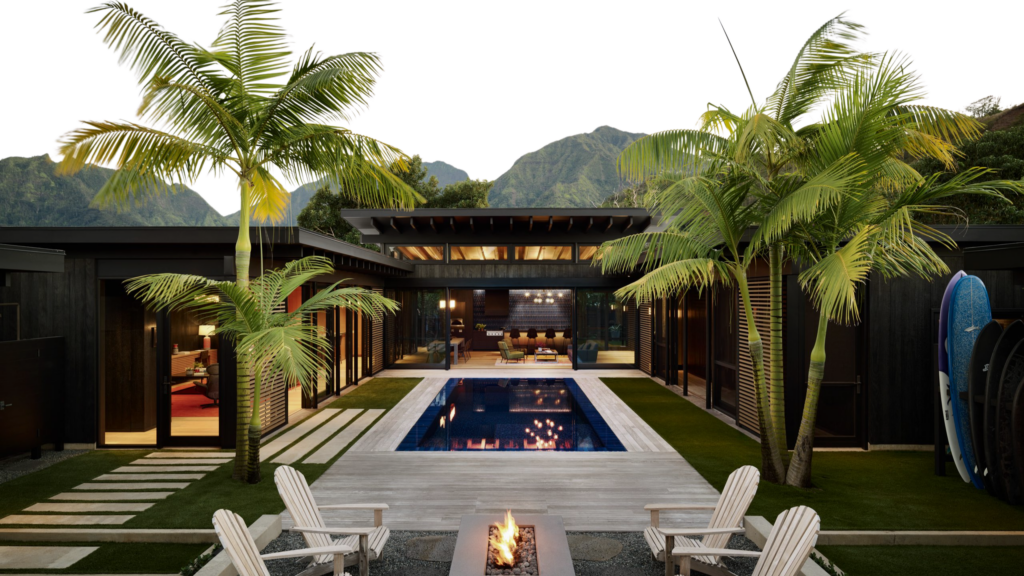
In Hanalei, Hawaii, Shou Sugi Ban takes on a completely different character.
Wahi Lani, meaning “heavenly place,” is a modern residential oasis surrounded by the lush landscape of Kauai. Designed by Walker Warner, the home uses dark Delta Shou Sugi Ban cladding to create a striking contrast against the surrounding tropical vegetation.
The charred wood gives the exterior a deep, tactile quality without competing with the landscape. Instead, the dark facade helps frame the greenery around it, creating a balance between the architecture and its setting.
The Spectrum of Shou Sugi Ban
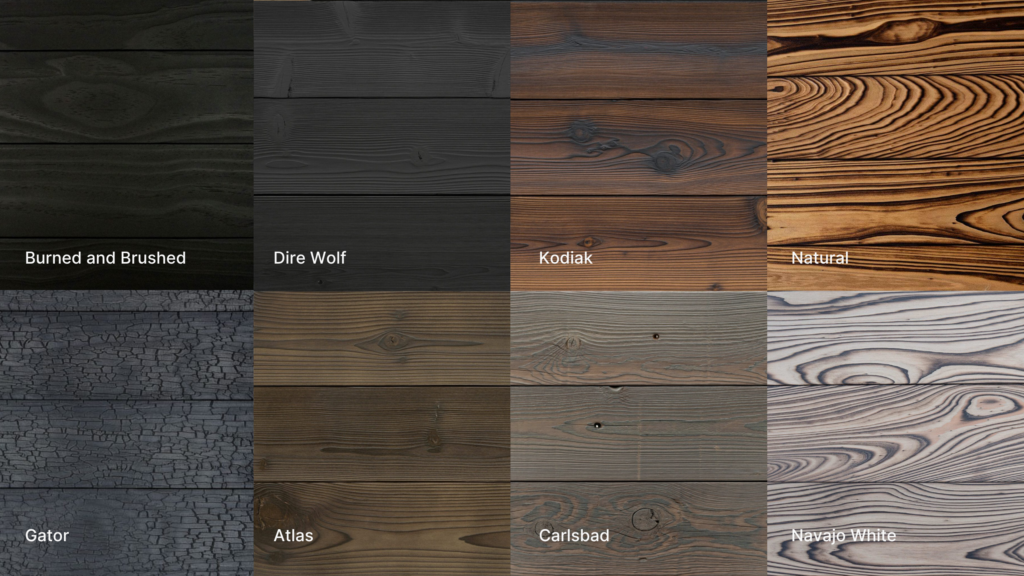
Shou Sugi Ban is often associated with a single image: black, heavily charred wood.
The reality is much broader.
Delta’s collection explores different levels of charring, brushing, texture, and color. Burned & Brushed brings out the natural grain beneath the char, while Gator creates a highly textured surface with a more dramatic presence.
The range makes Shou Sugi Ban adaptable across architectural styles and applications. It can be bold and graphic, subtle and textural, or somewhere in between.
That flexibility is a big part of what keeps the material relevant.
In the Spotlight: Graoni Beach House
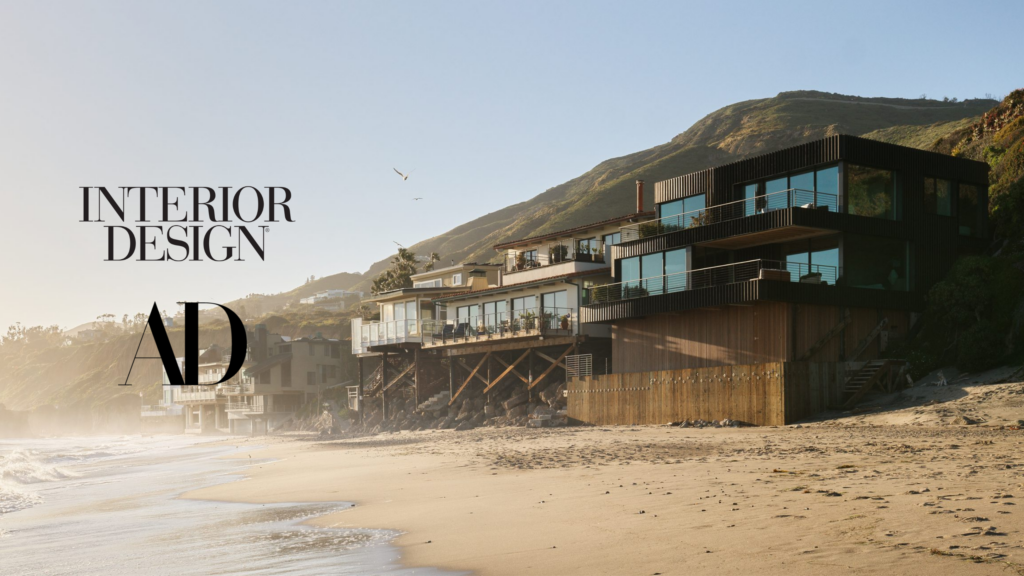
At the Graoni Beach House in Malibu, Shou Sugi Ban becomes part of the architecture’s relationship with the landscape.
Designed by Montalba Architects, the home is composed of stacked, terraced volumes of glass, steel, and wood. Vertical pine fins finished in Delta Shou Sugi Ban wrap the structure, creating a dark exterior that helps the home settle into its rocky, tree-covered surroundings.
As Interior Design noted, the charred pine helps the house “blend in with the rock and tree-dotted environs,” while adding a darker, more dramatic quality to the architecture.
Architectural Digest similarly highlighted the role of Shou Sugi Ban in helping the building recede into the hillside. The fins also function as a rainscreen, with their varying rotations creating a changing visual experience as you move around the site.
Here, the material is doing several jobs at once. It adds texture, creates shade and depth, contributes to the rainscreen system, and helps connect the architecture to its surroundings.
Explore the Graoni Beach House
Shou Sugi Ban, Reworked
At Delta, we continue to explore how charred wood can be adapted for modern architecture without losing the character that made the technique compelling in the first place. Different species, textures, profiles, and levels of charring create new possibilities for the same fundamental material.
The tradition is old. The applications are anything but.