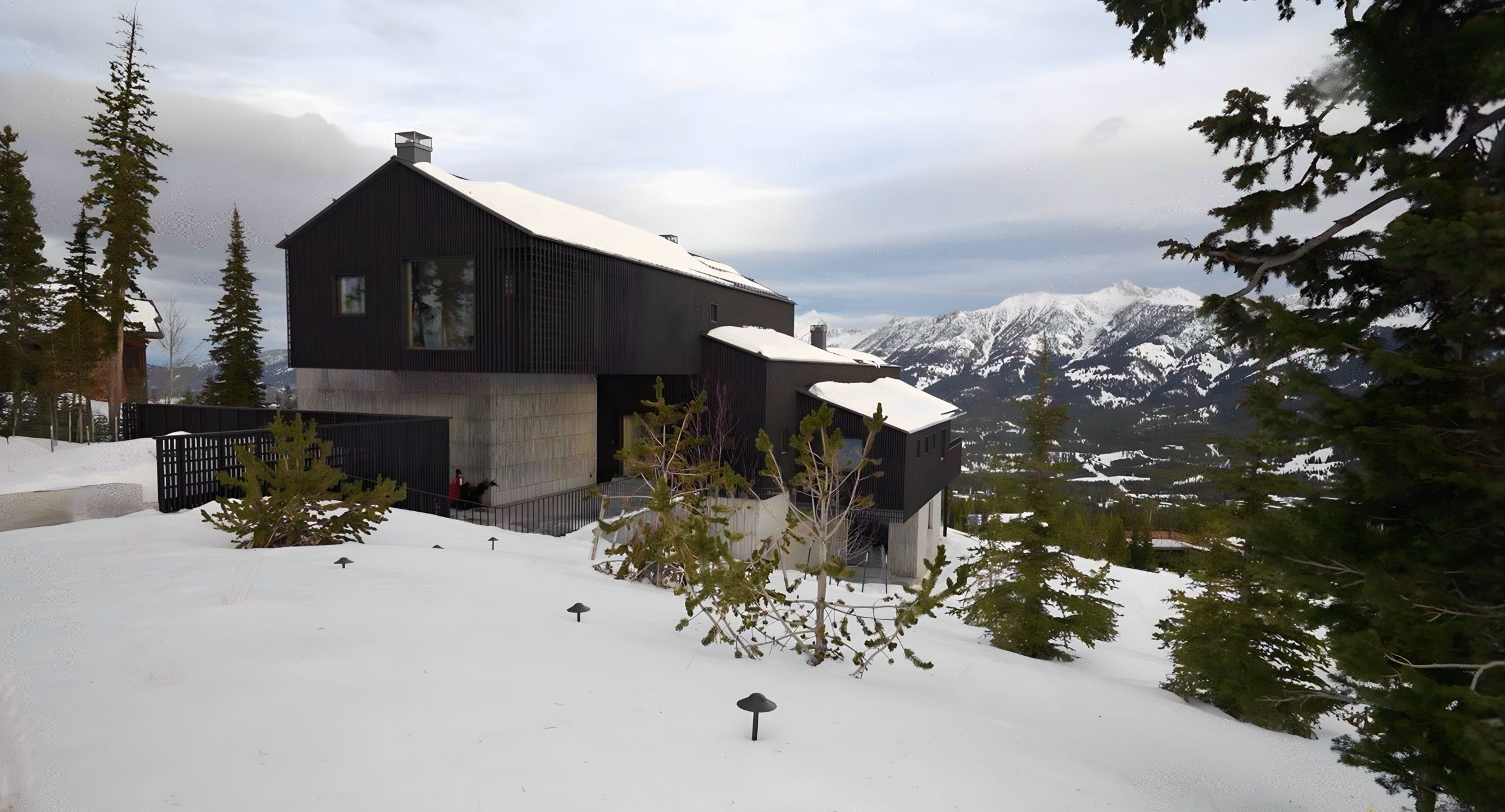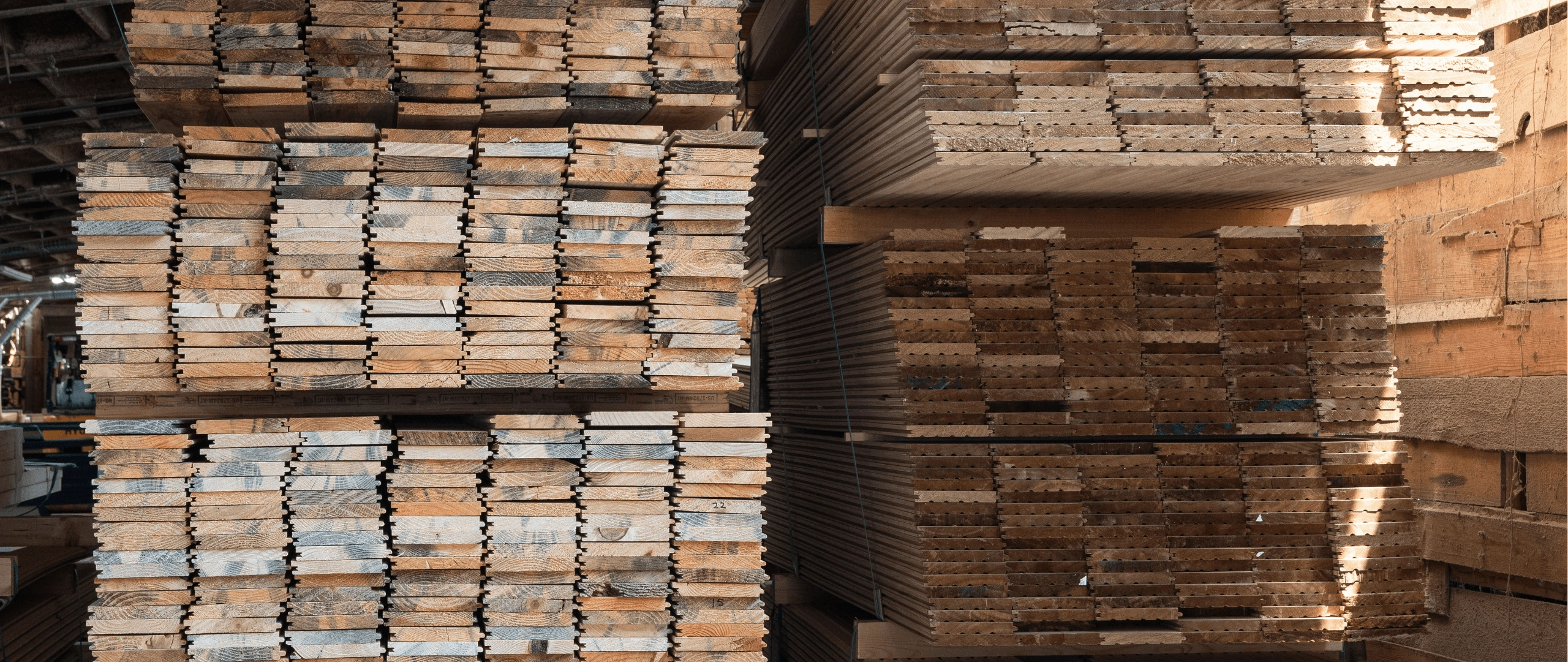
Profiles are more than shapes cut into wood. They control how a surface catches light, how shadow lines form, how boards move over time, and how an elevation reads both up close and from a distance. Our standard profiles reflect years of refinement, balancing proportion, performance, and installation efficiency. We aim to simplify the technical details so they are easier to understand and apply with confidence across different species, applications, and design goals.
Across theaters, museums, and community buildings, Delta wood products are designed to manage movement, resist weathering, and maintain visual consistency over time. Each project highlights how technical wood solutions can support civic architecture at scale.
What “Standard” Really Means
Standard does not mean basic. It means tested, resolved, and ready to perform.
Each profile has been engineered to address common architectural needs without sacrificing detail. Proportions are intentional. Reveals are considered. Thicknesses align with performance requirements. Whether used on an exterior facade, an interior ceiling, or a soffit condition, these profiles are designed to work predictably and beautifully. Before selecting a profile, it helps to understand a few key terms that shape both appearance and function.
The Anatomy of a Profile
Face Width is the visible raised portion of the board, not including the reveal. It largely defines the visual rhythm of the installation.
Reveal is the intentional gap or shadow line between boards. A smaller reveal creates a tighter, more monolithic appearance. A larger reveal emphasizes line, repetition, and depth.
Exposed Width combines the face width and the reveal. This is the dimension used when calculating material quantities.
Crusher Bead is a small triangular bead designed to compress if expansion occurs. It allows exterior boards to move without buckling.
Relief Cuts are shallow channels milled into the back of siding. They relieve stress, reduce cupping, and improve airflow behind the cladding.
With those fundamentals in place, profile selection becomes a matter of application and intent.
Exterior Profiles
Exterior applications demand both visual clarity and performance under changing conditions. Movement, moisture, and sun exposure all influence how a board behaves over time. Consideration of profiles along with the use of proper fasteners ensures the longevity of the exterior wall assembly.
Tongue and Groove
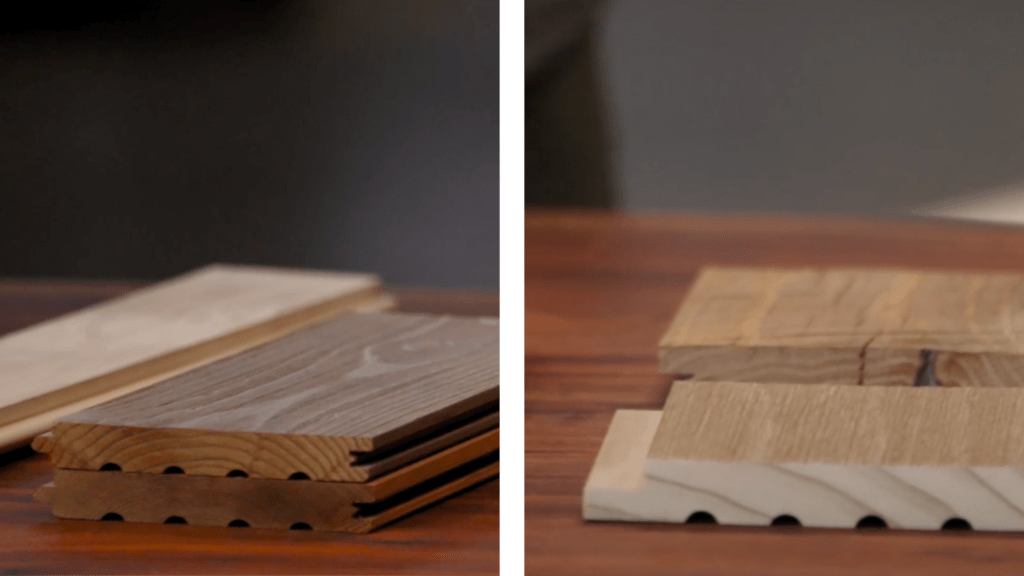
Exterior tongue and groove profiles are engineered for clean lines with controlled movement. Crusher bead reveals are standard, allowing boards to expand and contract while maintaining alignment. Reveal options range from subtle to more pronounced, giving designers flexibility to adjust the scale and rhythm of a facade. Tongue & groove profiles enable hidden or blind fasteners. Boards are fastened at the base of the tongue between boards, tucked away for a clean look.
Shiplap
Exterior shiplap introduces layered shadow lines while still accommodating movement. Crusher bead options protect against over expansion, and chamfered reveals can soften the transition between boards for a slightly more dimensional look. In an exterior application, shiplap requires face fasteners for stability of the installation. One benefit of face fasteners is that boards can be easily removed or replaced for maintenance or repairs.

S4S
S4S, or surfaced four sides, profiles are among the most versatile in the catalog. Available in square edge and eased edge options, they allow designers to control how sharp or softened an installation feels. These profiles are frequently used for rainscreens, soffits, trim, and custom applications where clarity of form is essential.
Decking
Decking and specialty profiles extend this same design logic horizontally. Carefully considered thicknesses, eased edges, and compatible clip systems create exterior living surfaces that feel cohesive with adjacent siding or cladding.
A System, Not Just a Shape
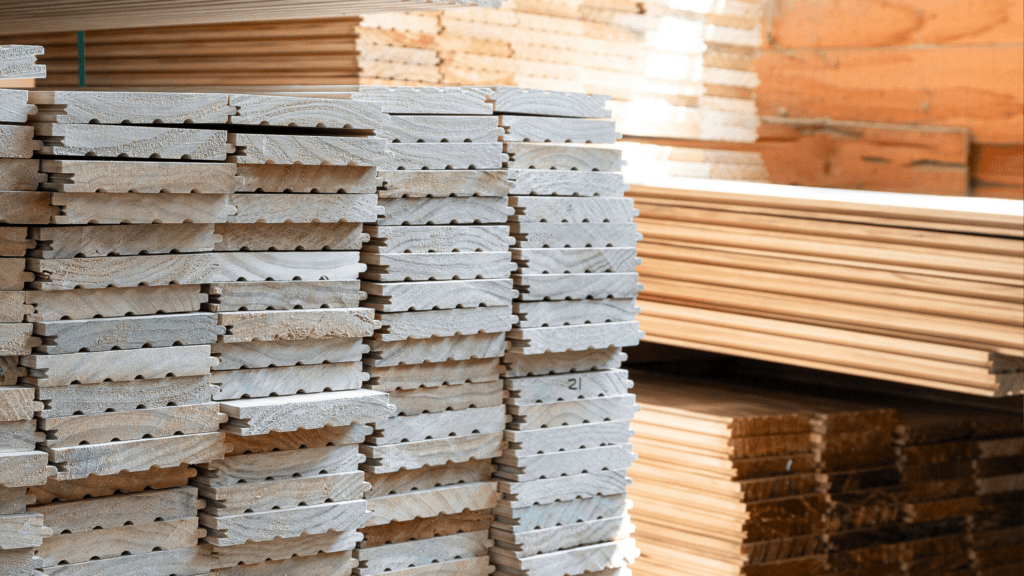
Each standard profile is designed to relate to the others. Reveals align. Proportions feel intentional. Species availability supports performance in the intended environment.
The result is a coordinated system rather than a collection of disconnected shapes. And when a project calls for something beyond the catalog, these standard profiles provide a strong foundation for customization.
Choosing a profile is not only about appearance. It is about how a surface will age, move, and hold its lines over time. Our standards exist to make that choice clear, reliable, and architecturally sound.