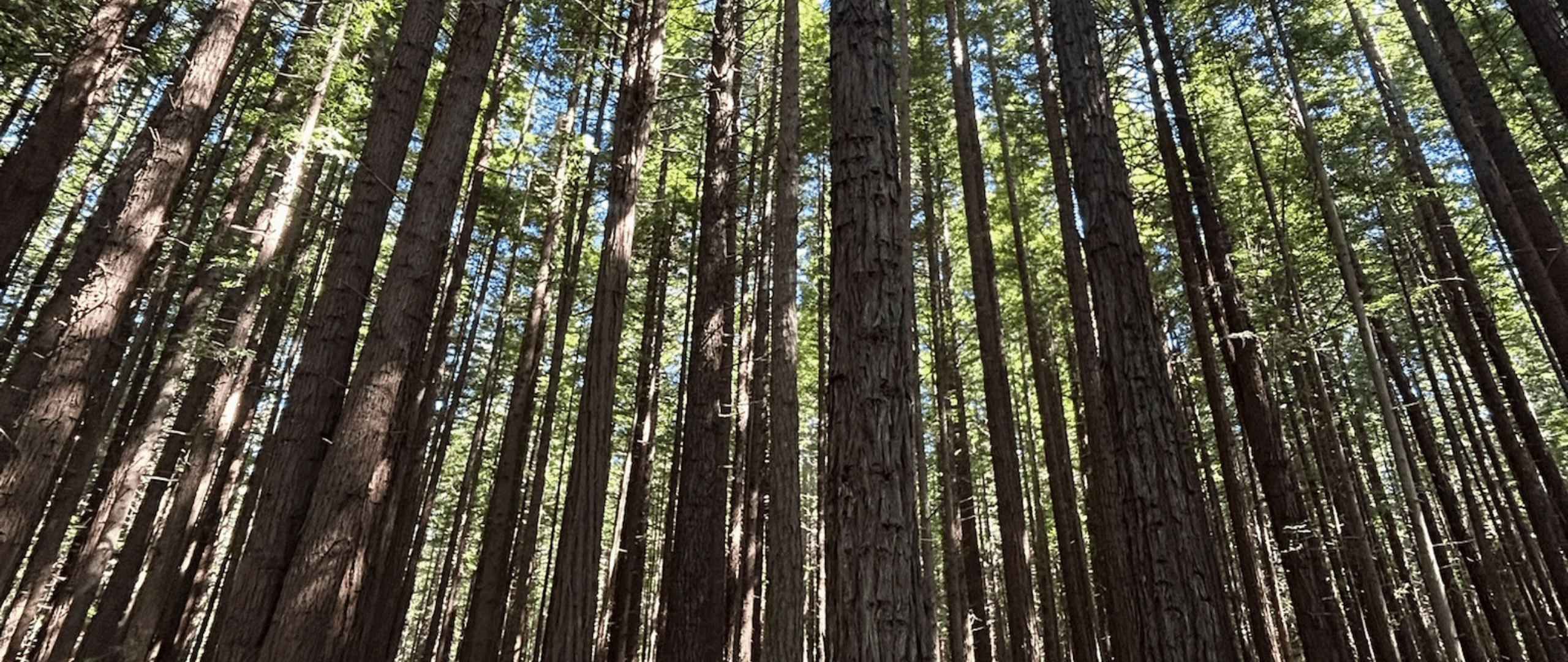
Forests are one of Earth’s most critical natural assets. Covering roughly 31 percent of the planet’s land area, they support over 80 percent of terrestrial plant and animal species and provide essential ecosystem services including clean air and water, carbon storage, and economic opportunity.
However, human impacts such as deforestation, unsustainable logging, and land conversion threaten these ecosystems. Sustainable forestry addresses these challenges by managing forests in a way that meets today’s economic needs without compromising the health of forests for future generations.
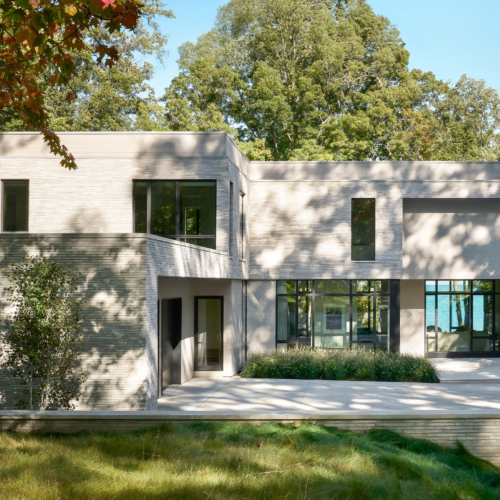
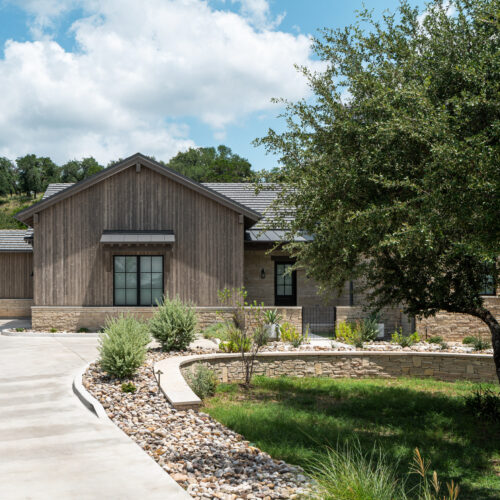
Delta has long committed to sourcing responsibly harvested wood, ensuring that every species we offer from Western Red Cedar and Accoya, to Thermally Modified timber meets the highest sustainability standards. By carefully selecting materials and working with certified suppliers, Delta helps protect forests while delivering long-lasting, high-performance products.
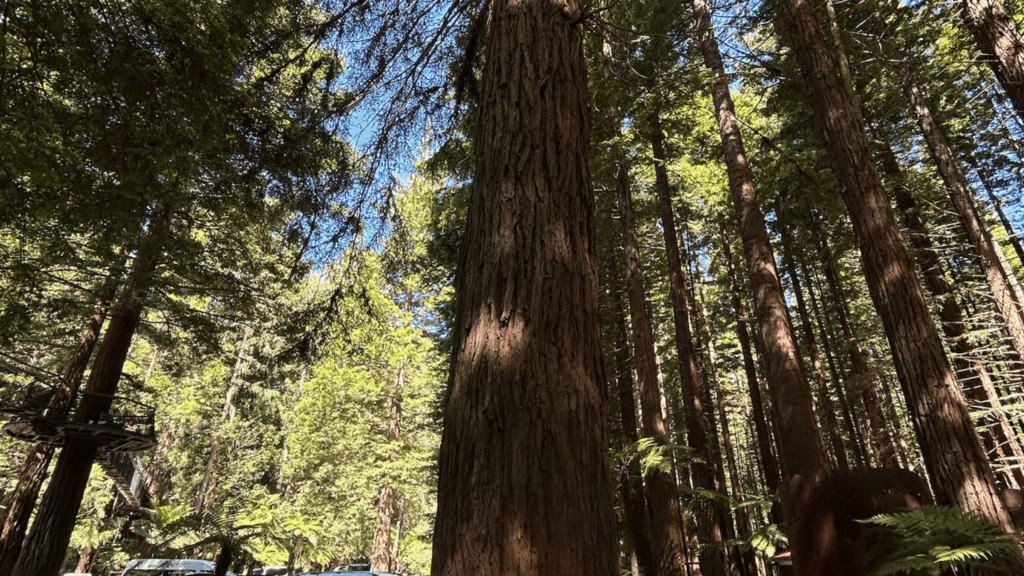
Global Progress Toward Sustainable Forestry
Sustainable forestry is gaining momentum around the world as the industry shifts toward long-term stewardship rather than short-term extraction. Today, roughly 60 percent of the world’s forests are managed under practices intended to balance ecological health, economic viability, and social responsibility. These approaches focus on maintaining forest regeneration, protecting wildlife habitat, preserving soil and water quality, and ensuring forests remain productive for future generations.
Certification programs such as FSC and PEFC play a key role in this progress, collectively covering more than 300 million hectares of forest globally. These standards establish rigorous guidelines for responsible harvesting, traceability, and forest regeneration, helping ensure that wood products come from well-managed forests rather than contributing to deforestation or degradation.
Delta’s material sourcing aligns with these principles. By prioritizing certified and responsibly managed wood, Delta supports forestry systems that emphasize renewal and resilience while delivering products that are durable, thoughtfully produced, and environmentally considerate.
Environmental Benefits
Sustainable forestry delivers measurable environmental benefits.
Carbon and Climate
Forests absorb and store massive amounts of carbon, up to 2.6 billion tons of CO2 annually, playing a key role in climate mitigation. Using certified sustainable timber in construction can reduce carbon emissions from buildings by 20 to 30 percent compared to conventional materials. Delta’s wood products are part of this solution, providing architects and builders with materials that store carbon while performing reliably in diverse environments.
Biodiversity and Soil
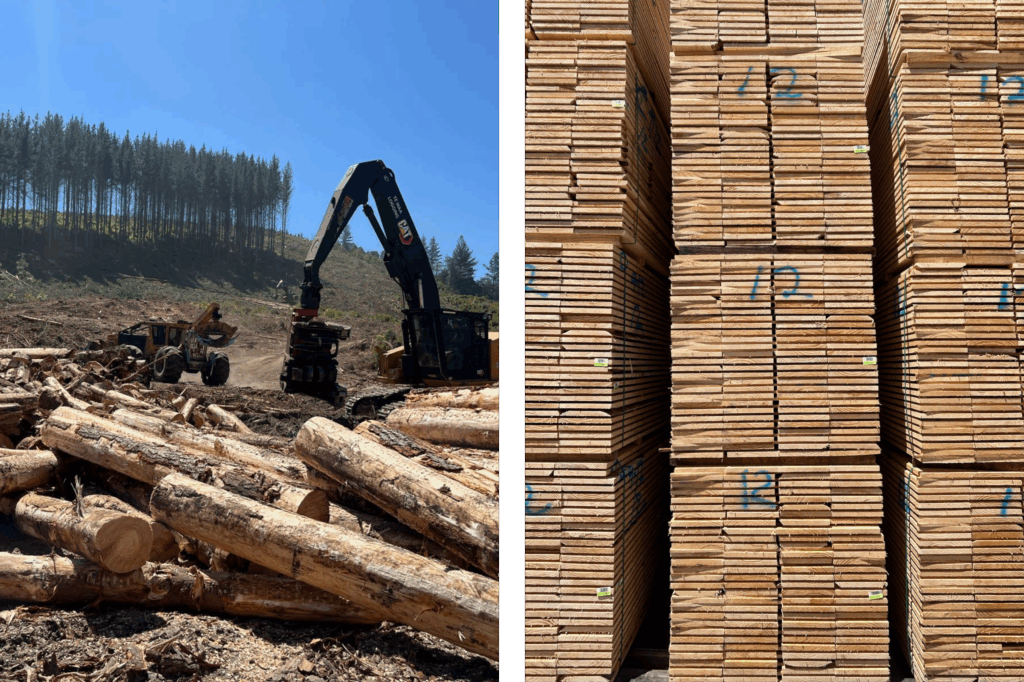
Sustainable harvesting practices such as selective logging can reduce damage to ecosystems by up to 50 percent compared to clear-cutting. These practices help protect biodiversity and reduce soil erosion. Delta supports these outcomes by sourcing timber from suppliers committed to responsible forest management.
Reforestation and Restoration
Active forest restoration and reforestation projects have been increasing globally, with millions of hectares replanted annually as part of sustainable management plans. Delta’s partnerships with forestry suppliers support these efforts by choosing wood that comes from managed forests where restoration and regrowth are a priority.
Scraps that Matter
At Delta, wood waste does not exist. Every scrap and every bit of sawdust is reused with purpose. Our wood scraps become landscaping materials while our sawdust is used in industrial chemical disposal, helping absorb and neutralize hazardous materials so they can be handled and processed more safely and with less impact on the environment. Nothing is thrown away and everything is put to work.
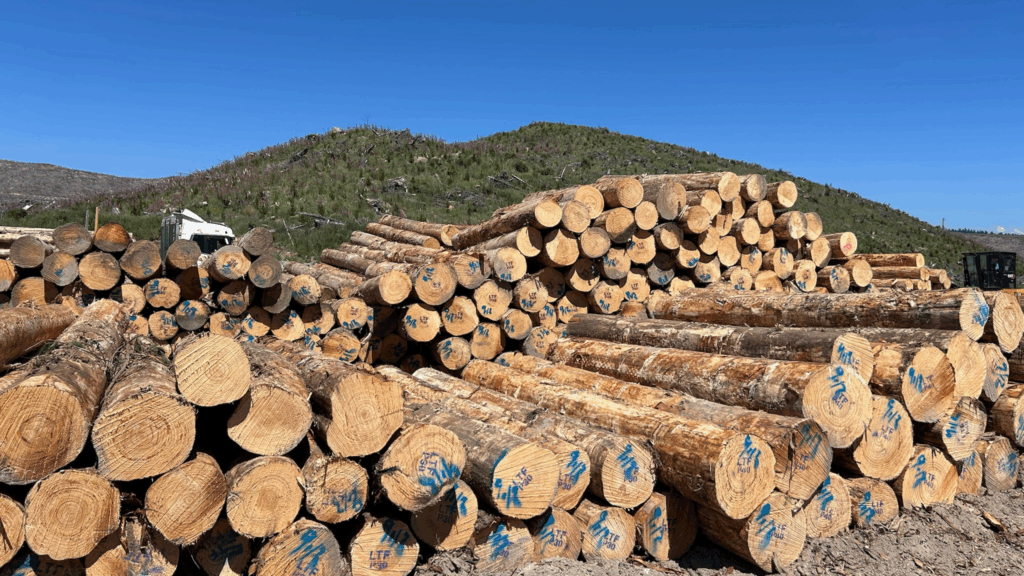
Economic Impact
One of the most meaningful sustainability benefits of well-sourced wood is longevity. When materials are designed to perform over decades, the environmental and economic costs associated with replacement, repair, and refinishing are significantly reduced.
Delta prioritizes wood species and treatments that are naturally durable and dimensionally stable, helping projects age gracefully in demanding climates. Long-lasting materials require fewer coatings, less frequent maintenance, and fewer replacements over time, reducing labor, material use, and disruption throughout a building’s lifespan.
By extending the service life of exterior cladding, siding, and architectural wood elements, Delta helps clients make responsible long-term investments that support both sustainability goals and overall project value. Choosing materials that endure is not only better for forests and ecosystems, but also a practical approach to lowering long-term costs and resource consumption.
The Future of Forests Is Sustainable
The shift toward sustainability in forestry is well underway, but it is not complete. Certification coverage, adoption of low-impact harvesting techniques, and investment in carbon-smart practices continue to grow. These efforts protect forests from illegal logging, restore degraded land, and align economic activity with ecological stewardship.
Delta will continue to champion responsible sourcing, invest in sustainable material innovations, and work closely with designers, builders, and architects to ensure that every project contributes positively to the environment.